1. Vision of the Curriculum
The Indigo Heartful Kids curriculum integrates CBSE–NEP 2025–26 competencies, Cambridge International (CIE) learning standards, and Indigo’s neurocognitive and multisensory approach to create:
- Happy, independent, emotionally balanced learners.
- Competency-driven, conceptually grounded learning experiences.
- Inclusive education that meets the needs of diverse learners.
- Strength-based development with focus on mastery rather than memorization.
The model ensures a holistic, experiential, inquiry-based and multilingual learning ecosystem aligned with global best practices.
2. Structural Framework of the Hybrid Curriculum
CBSE–NEP 2025–26 Components Integrated
- Experiential learning & hands-on approach
- Competency-based learning outcomes
- Multilingualism with strong foundational literacy & numeracy
- Life Skills, SEWA, Values Education
- Art-integrated & Sports-integrated learning
- Flexible pathways and individualized progression
- Emphasis on conceptual clarity over rote learning
CIE (Cambridge International) Components Integrated
- Inquiry-based learning cycle (Engage–Explore–Reflect–Evaluate)
- Assessment for Learning (AfL) techniques
- Global perspectives & interdisciplinary themes
- Emphasis on learner autonomy and metacognition
- Conceptual progression frameworks for English, Math, Science, and Social Studies
- Focus on communication, reasoning and critical thinking
Indigo + Davis Learning Strategies Components
- Davis Focusing Tools (Release, Focus, Energy Dial Setting)
- Clay-based mastery of abstract concepts
- Personalized learning plans (IEPs)
- Experiential discovery-based learning (Experience → Wisdom → Understanding)
- Life Concepts integration
- Multisensory, visual-spatial, kinaesthetic learning design
3. Curriculum Pillars
Pillar 1: Foundational Literacy & Numeracy (FLN)
Aligned with NEP FLN Goals + Cambridge Primary English & Math
- Phonological awareness + Structured literacy
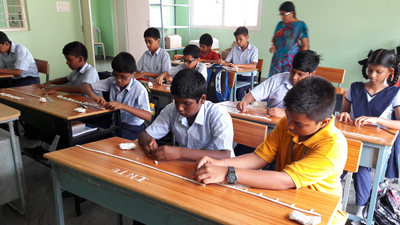
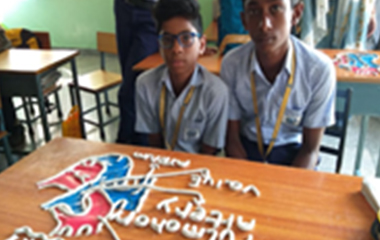
- Sight-word mastery through clay modeling
- CVC/CVV/CVCe word building
- Concept-Based Numeracy using manipulatives
- Visualization & recall strategies (Brighter Minds techniques)
DLS Integration:
Word → Meaning (3D clay model) → Pronunciation (Name)
Pillar 2: Conceptual Core Subjects
A. English Language
(CBSE Learning Outcomes + Cambridge English Progression)
- Reading comprehension (literal, inferential, evaluative)
- Structured grammar & functional language
- Creative expression: poems, short scripts, nature-based writing
- Speaking & listening through presentational tasks / role-play
B. Mathematics
(CBSE competencies + Cambridge Mathematical Thinking)
- Concrete → Pictorial → Abstract progression
- Problem-solving and reasoning tasks
- Life-based numeracy ( money, measurement, time, data)
C. Science
(CBSE EVS/Science + Cambridge Scientific Enquiry)
- Observation, classification, comparison
- Hands-on experiments
- Nature-study, outdoor learning
- Simple experimental reporting
D. Social & Emotional Development (Life Concepts)
Through Davis Life Concepts:
- Self, Change, Sequence, Consequence, Time
- Symbiotic Relationships, Order & Disorder, Cause & Effect
- Emotional regulation, growth mindset, responsibility
4. Cross-Curricular Elements
A. Multisensory Experience Integration (Indigo)
- Clay modeling for language, math & concept mastery
- Movement, Brain Gym, Yoga & Mudra Therapy
- Sound therapy for attention
- Visualisation & interoception practices
B. Art, Music & Movement Integration (CBSE Art-Integrated Learning)
- Art to express scientific and social concepts
- Music for rhythm, memory & emotional balance
- Theatre & role-play for language, SEL and confidence
C. Inquiry & Problem-Based Learning (CIE)
- Questions drive learning
- Students engage in guided investigations
- Reflection journals, Report Writing and Student Portfolios
D. Environmental & Value Education
- Sustainability themes aligned with Global Goals
- SEWA-inspired community actions
5. Individualized Education Planning (IEP) Model
IEP Components:
- Baseline literacy & numeracy assessments
- Strength-based profiling (learning styles, MI profile, Davis profile)
- Personal learning goals (CBSE + CIE alignment)
- Weekly learning adjustments
- Parent collaboration plans
- Term-wise competence tracking
Assessment System
- Diagnostic → Formative → Mastery Checks
- CBSE Competency-based assessment tasks
- Portfolio-based tracking for individual progress
5. Pedagogical Cycle
STEP 1: Prepare the Mind & Body for Learning
STEP 2: Experience-Based Introduction
STEP 3: Inquiry & Exploration
STEP 4: Concept Mastery
STEP 5: Practice & Application
STEP 6: Reflection & Metacognition
STEP 7: Assessment for Mastery
7. Annual Curriculum Structure (Illustrative)
Term 1 Focus
- Seating tolerance & following instructions
- Use of Davis Focusing Strategies under guidance
- FLN strengthening
- Life Concepts (Self, Change, Sequence, Order & Disorder, Time, Sequence)
- Core subject concept blocks
- Outdoor/environment-linked projects
Term 2 Focus
- Independent use of Davis Focusing Strategies
- Interdisciplinary projects
- Social-emotional competencies
- Life Concepts (Symbiotic Relationships, Consequence)
- Mastery-based assessments
- Presentations & student showcases
8. Competencies Developed
Academic Competencies
- Mind and Body Management for Optimal Learning
- Literacy, Numeracy, Scientific thinking
- Communication & Collaboration
- Analytical and reasoning ability
Social-Emotional Competencies
- Self-awareness
- Emotional regulation
- Decision-making
- Relationship skills
Cognitive & Thinking Skills
- Creative thinking
- Divergent & convergent thinking
- Metacognitive strategies
Personal Qualities
- Confidence
- Empathy
- Independence
- Responsibility
9. Expected Outcomes
By the end of the Indigo program, the learners will:
- Demonstrate conceptual mastery over memorization
- Develop strong self-regulation and focus skills
- Read, comprehend, and communicate confidently
- Apply mathematical concepts in real-life situations
- Exhibit inquiry and problem-solving strategies
- Thrive socially and emotionally
- Become independent, joyful, confident learners

General Information
Working hours: 7.45am – 3.10pm.
(Monday to Friday; if working Saturdays: 7.45am – 12.30pm)
Dress Code: Uniforms as prescribed
Resources
MCB Login
© Copyright 2024 Heartfulness International School, Omega Branch, all rights reserved.