School Counseling: A Path to Emotional Strength and Self-Discovery
School life is a journey filled with learning, friendships, growth, and new experiences. Along the way, students may have questions, face challenges, or simply need someone to listen and guide them. Thoughts about fitting in, managing friendships, balancing academics, or handling family concerns are all a natural part of growing up.
At such times, a school Counselor is a caring and trusted support within the school community. The Counselor provides a safe, respectful, and welcoming space where students can talk freely, reflect, and gain clarity. The counselor provides a safe, supportive, and confidential space where students can share concerns and seek guidance.
Empowering Students through School Counseling
School counseling focuses on nurturing confidence, emotional well-being, and resilience, helping students understand themselves better and approach life’s challenges with positivity and strength. The school Counselor is always there to listen, guide, and walk alongside students in their journey of growth and self-discovery.
A school counselor acts as a guide, mentor, and support system, helping students grow into confident, resilient, and responsible individuals while promoting a positive and healthy school environment.
Structure of Counseling Support to Students
The number of sessions a student has with the School Counselor is determined by the student’s specific needs, the type of concern presented, and the extent of support required. A student may meet the Counselor once or a few times until clarity and direction are achieved. In urgent situations, students may be seen immediately to ensure timely assistance. Overall, counseling sessions are structured thoughtfully to balance emotional support with academic responsibilities, always keeping the student’s well-being and growth as the primary focus.
Life Skills Development
Some of skills addressed to the students/teachers and other staff members are:

SIRISHA YARAMATI
(Student Counselor)
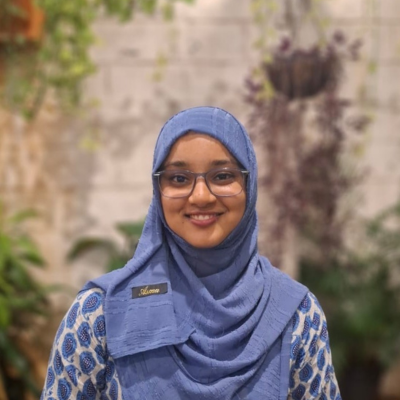
S. ASMA BANU
(Student Counselor)

MURZHITHA ZHEREN
(Student Counselor)
Students have different needs. Some of the main counseling needs are:
- Help students understand and appreciate their own qualities.
- Guide them to recognize their strengths and weaknesses.
- Support them in handling issues like identity confusion, bullying, loneliness, lack of parental support, social pressure, learning difficulties, failure, and peer problems.
- Help them build good communication and relationship skills.
Academic area
- Help students identify their abilities and areas for improvement.
- Guide them in understanding their strengths and weaknesses in studies.
- Support them in managing academic stress, exam pressure, and fear of failure.
- Encourage better communication skills for classroom participation and peer interaction.
Counselling for Parents
- Highlight the importance of spending quality time with their child.
- Encourage parents to listen, communicate, and observe their child’s behaviour, feelings, and thoughts.
- Help parents accept their child’s strengths and weaknesses.
- Create awareness about healthy parenting styles and avoiding over-controlling behaviour.
- Educate parents about the negative effects of too much pressure.
- Provide guidance on handling psychosocial problems and coping strategies.
- Help remove the stigma related to counseling.
Counselling for teachers and school staff
- Understand that every child is unique and should be accepted as they are.
- Emphasize the importance of building strong connections with students.
- Help identify signs that a child may be worried or troubled.
- Recognize possible learning disabilities.
- Suggest ways to bring out the best in every student.
- Support the overall development of students.
- Address academic or classroom concerns and work together to find solutions.
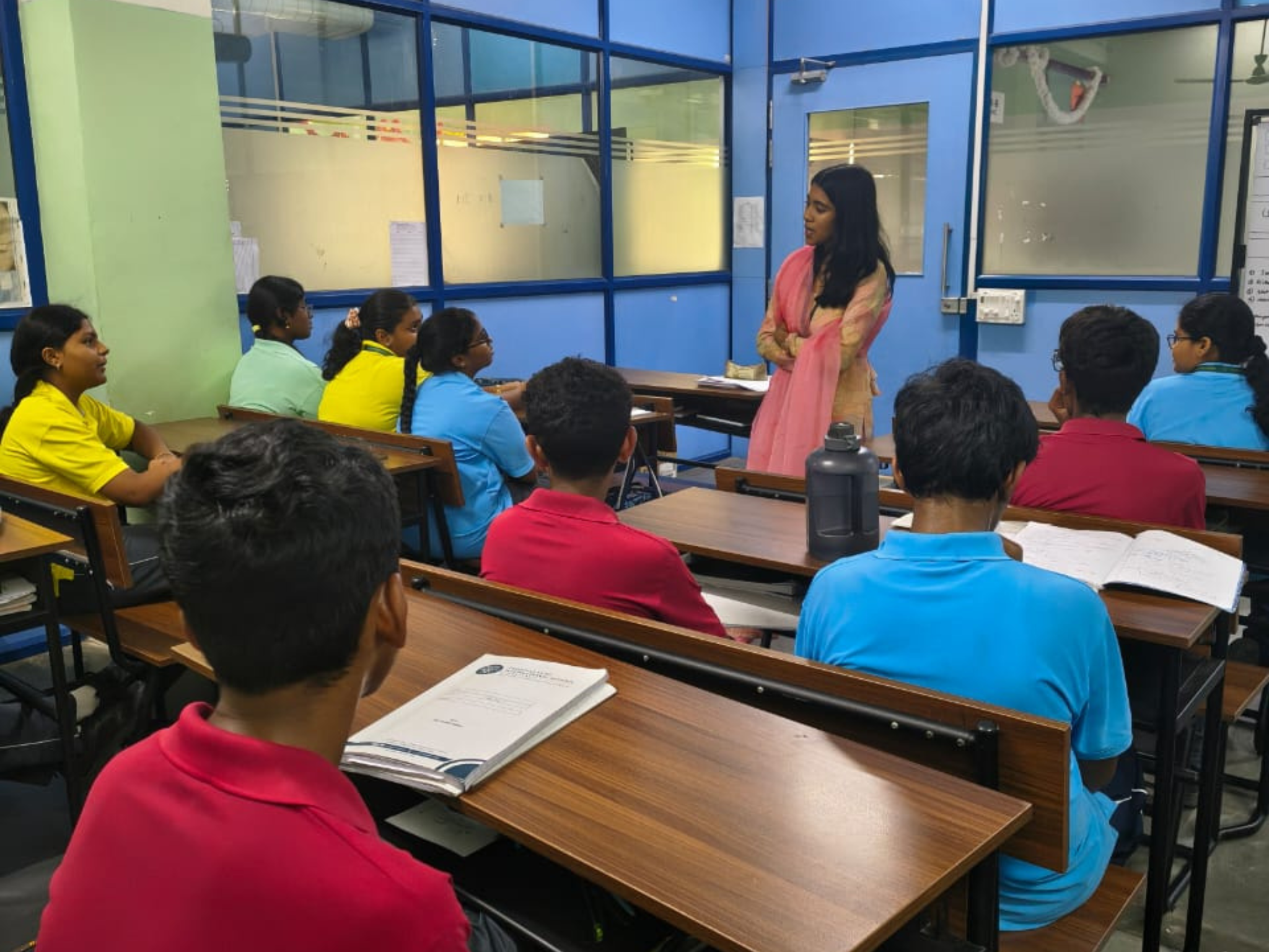
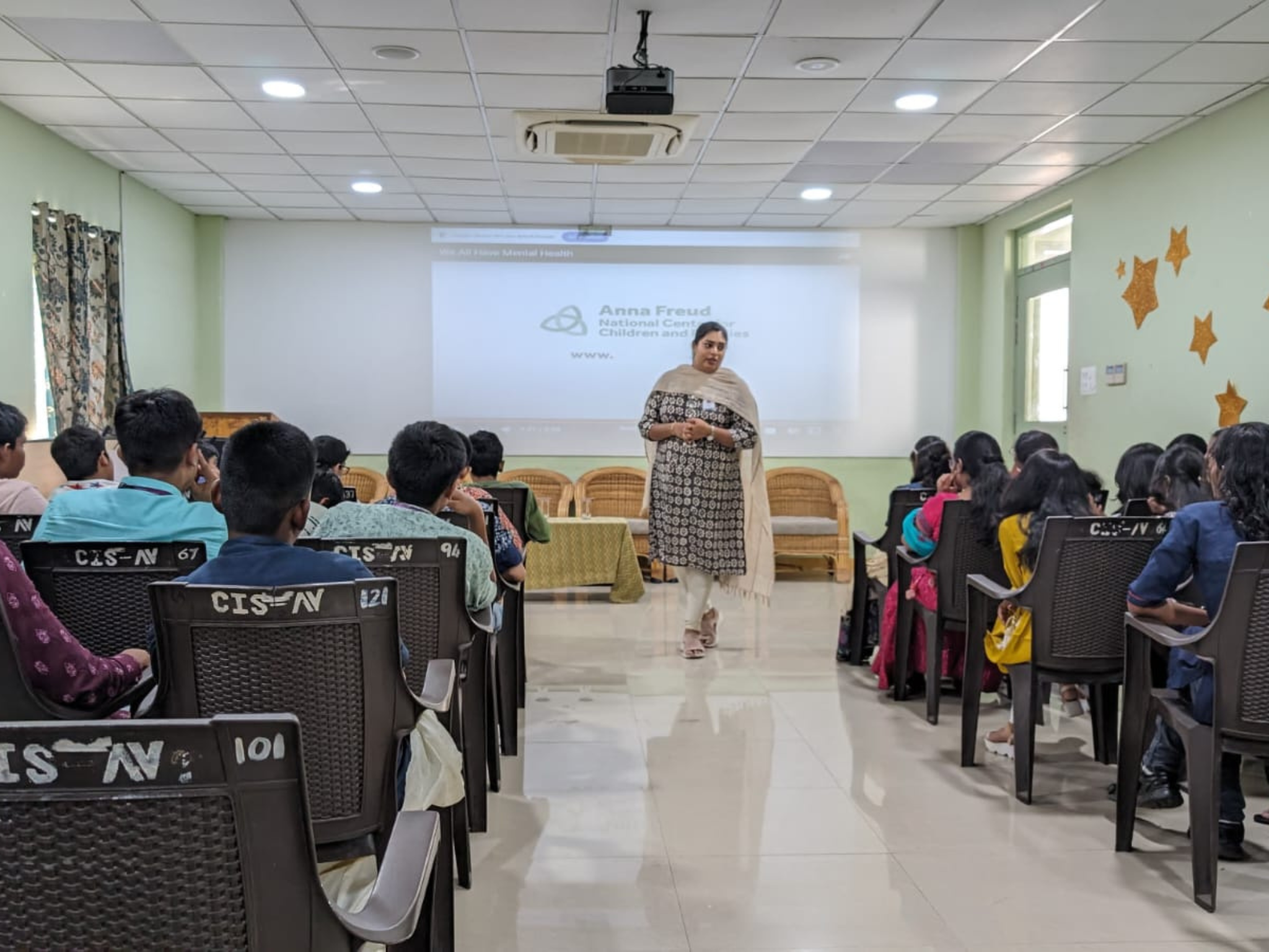
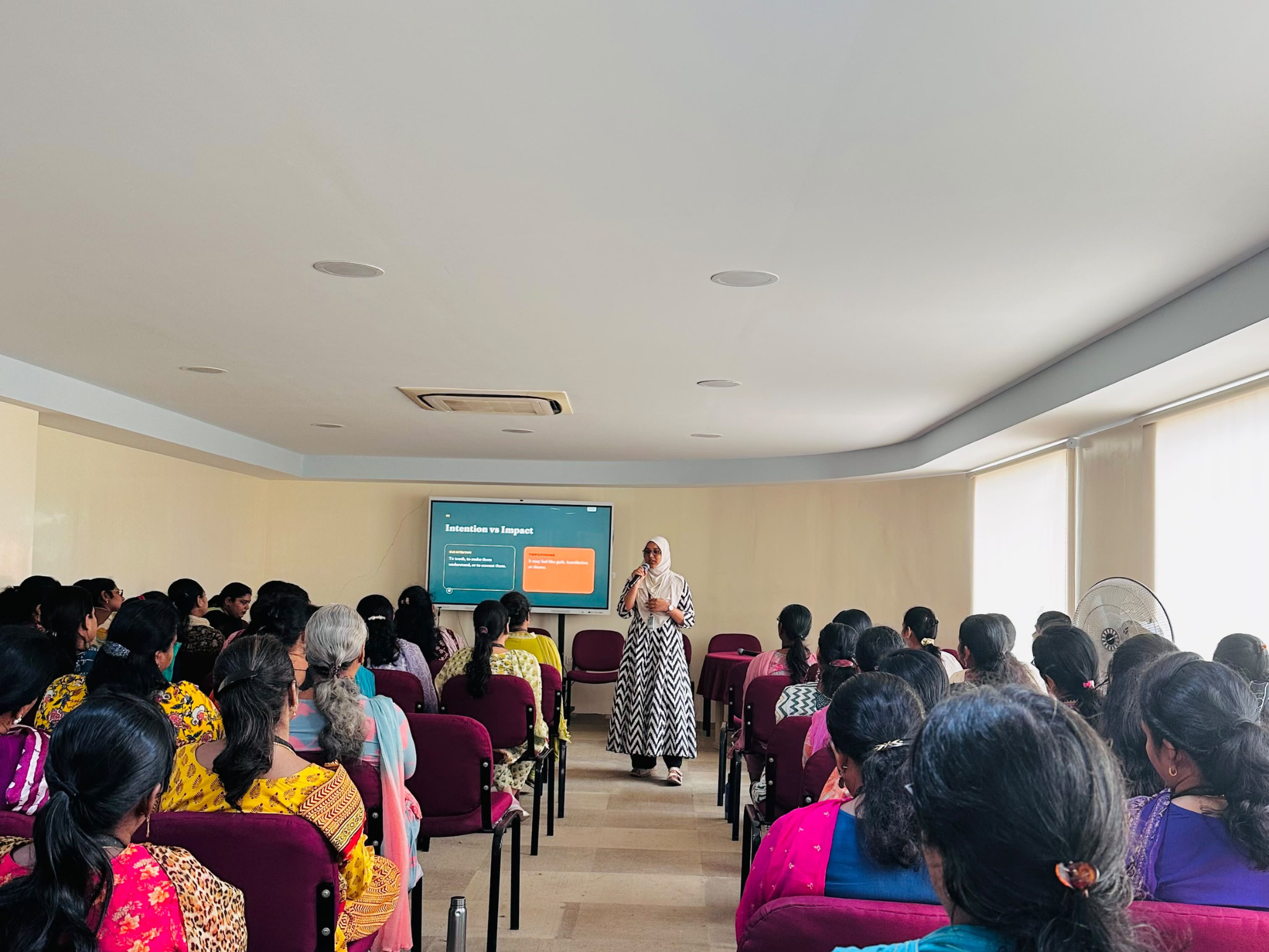
Role of the Counselor The counselor works individually with students and also collaborates with teachers, school staff, and parents to ensure the overall well-being and development of the child.
Contact Details:
Email: counseling@hisomega.org
Phone: 044-66241177
Resources
MCB Login
© Copyright 2024 Heartfulness International School, Omega Branch, all rights reserved.